Where are the photographic examples?
Use the ChatGPT Photo Prompts collection. Editing an existing photo has its own collection.

Examples with complete prompts
Explore six non-photographic examples across line art, paper, watercolor and character illustration.
Choose the visual language of an image: a continuous contour, flat character shapes, watercolor washes, layered paper or a miniature scene. Photographic looks have a separate photo collection. Tool information remains attached to each detail; these existing examples were not regenerated in this update.
Curated prompts
Choose by visual goal
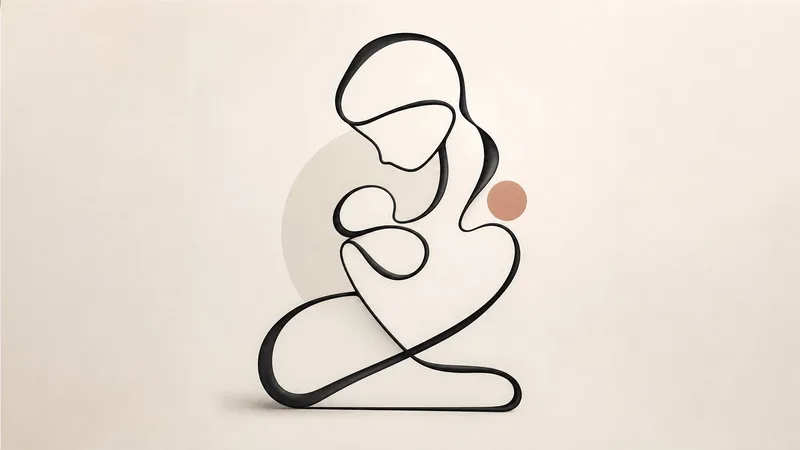
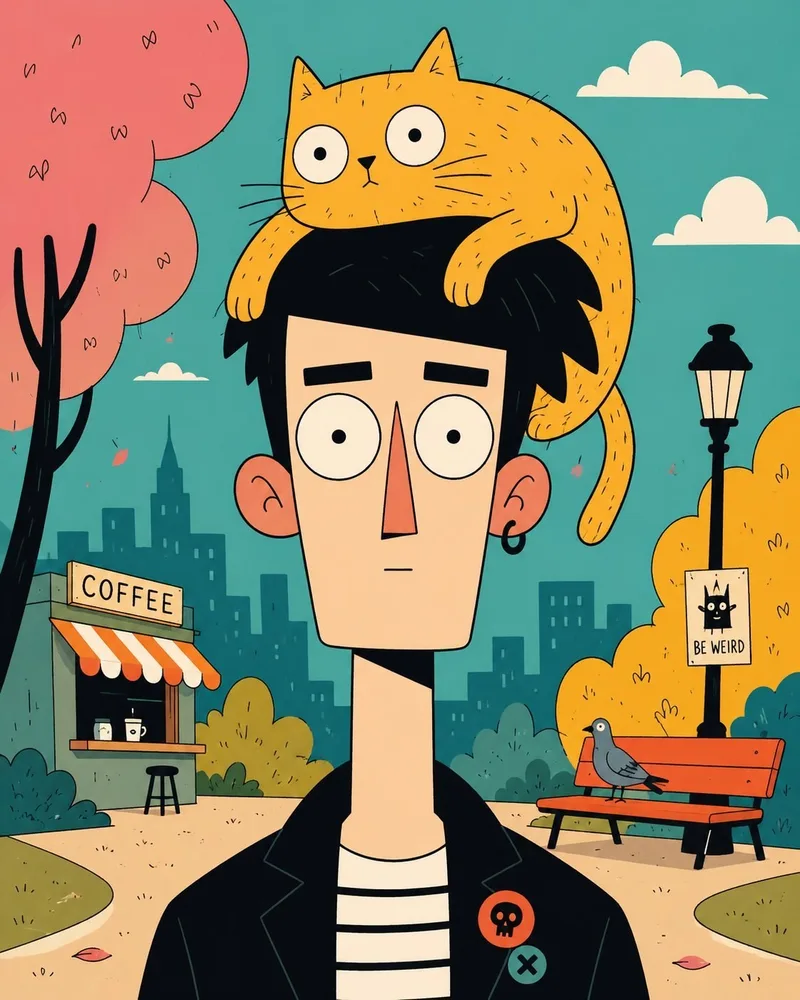
The continuous-form example reduces a subject to a flowing contour. The animal-hat portrait uses a geometric head, circular eyes and flat color. Reduce the number of shapes and colors before adding scenery; a minimal illustration does not need a long list of rendering materials.
Choose by visual goal
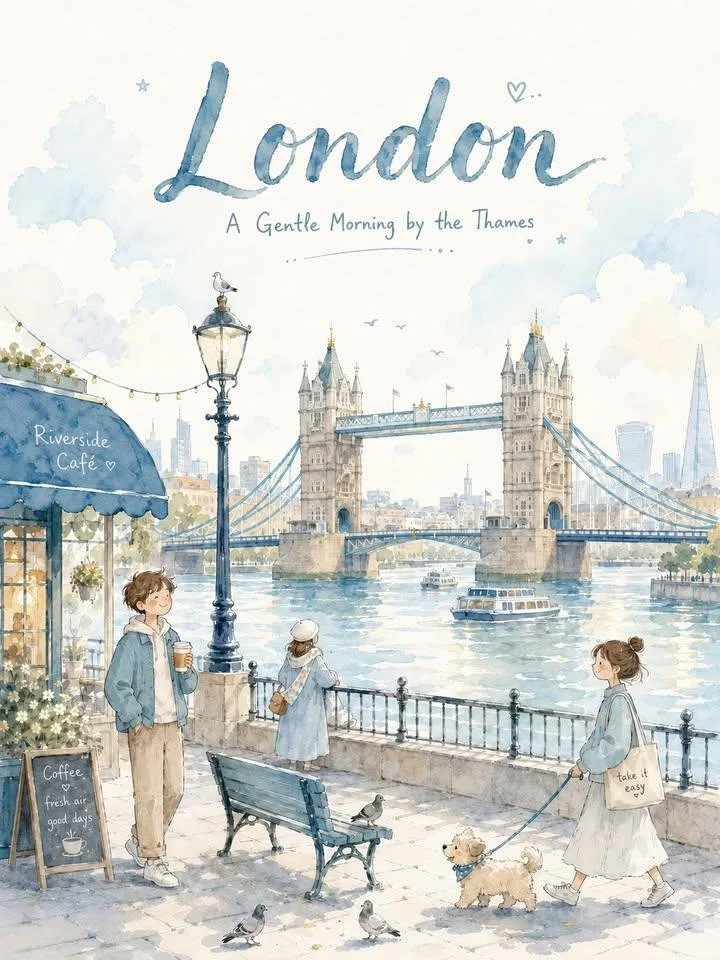
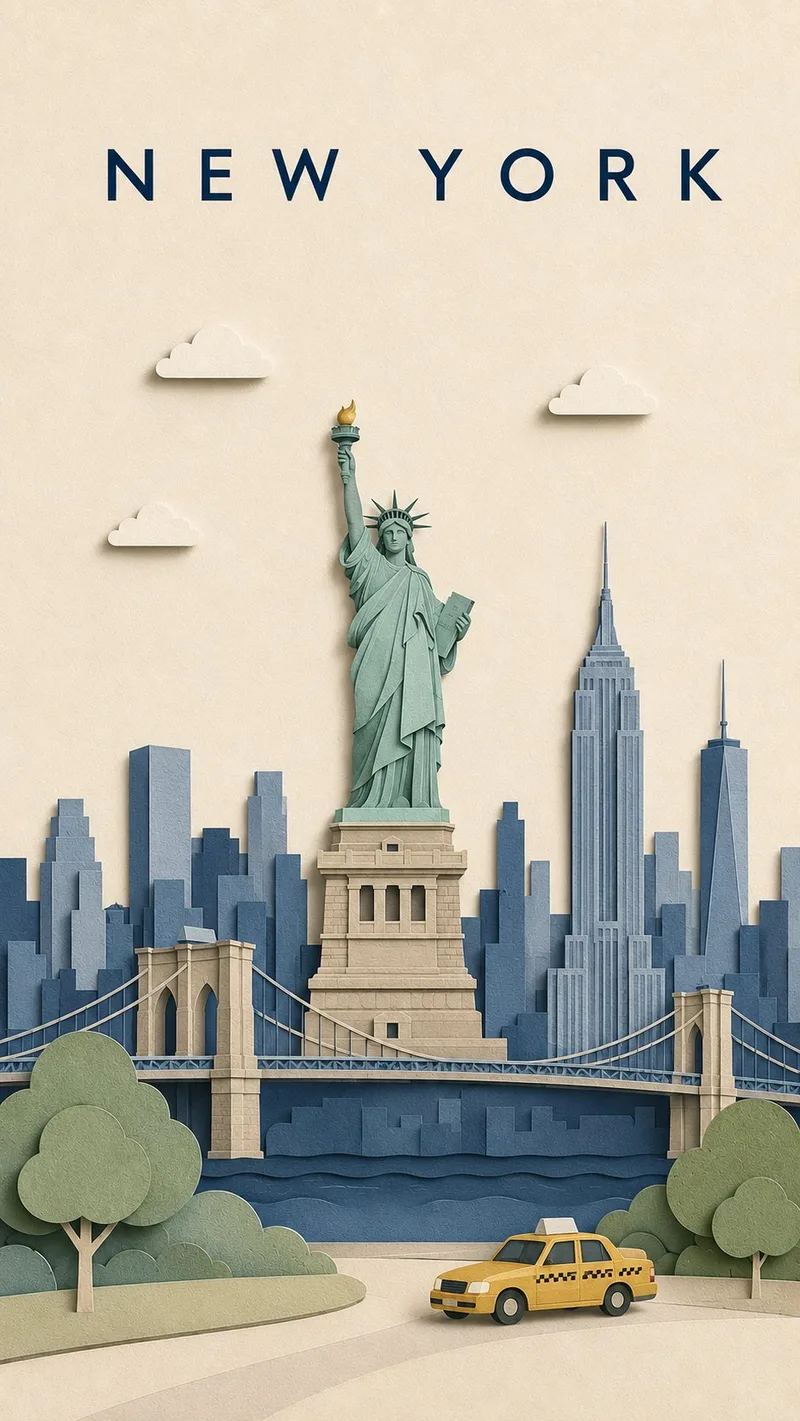
The watercolor postcard emphasizes a blue-and-yellow balance, everyday city life and paper texture. The paper-cut poster uses a small number of landmark layers and contact shadows. Both ask for lettering; proofread it, or add exact city names and typography afterwards.
Choose by visual goal
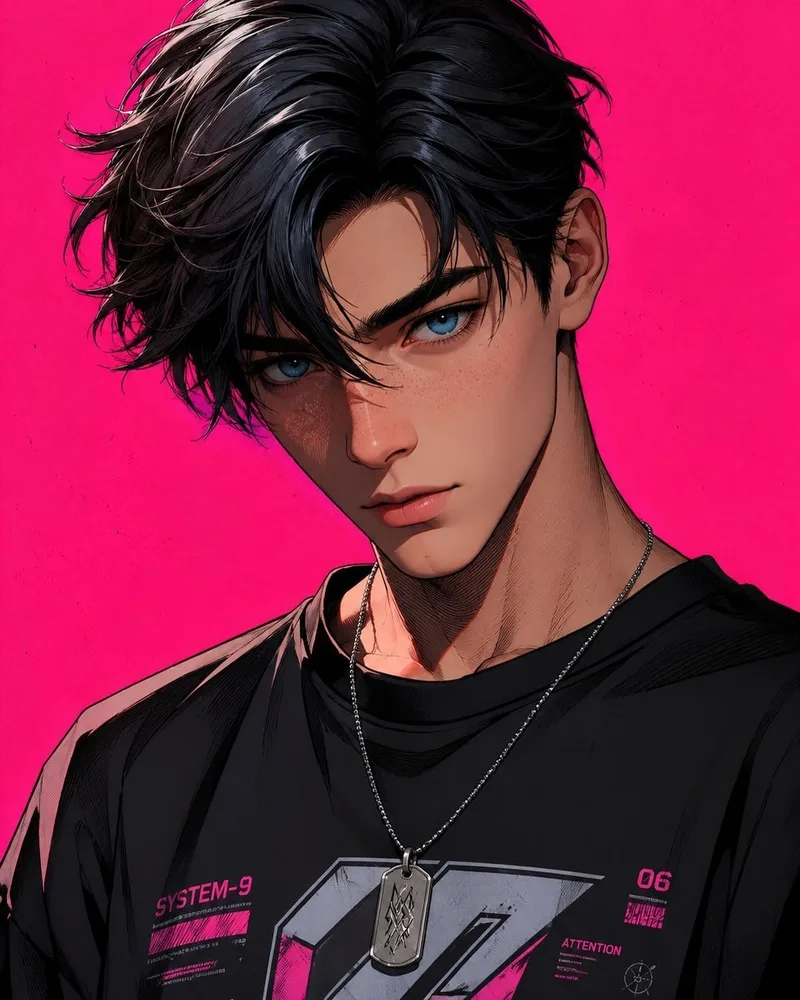
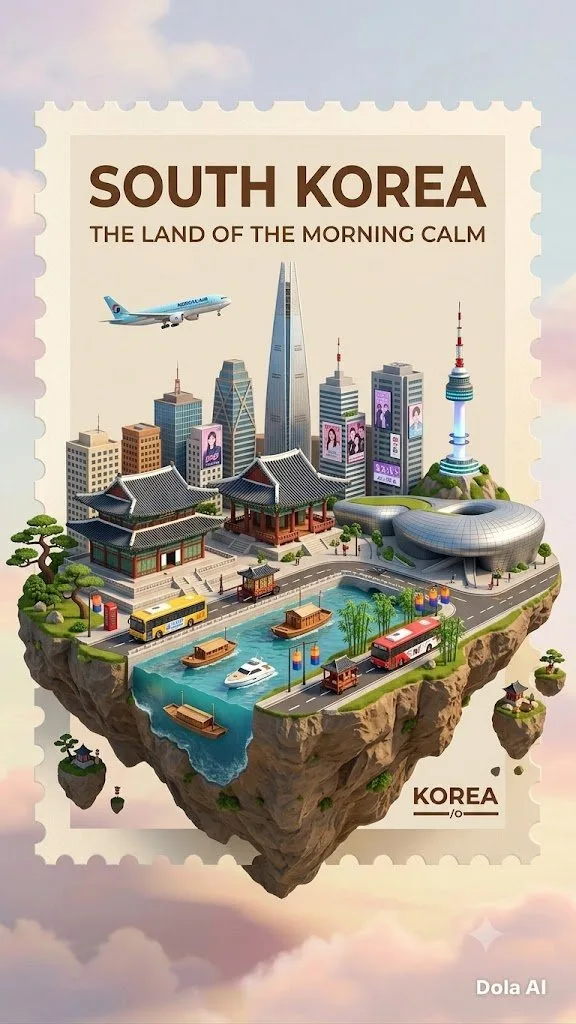
The pink-background character combines exaggerated eyes, hard-edged shading and hatching. The postage-stamp scene turns architecture into a floating island. These are image-style references, not printable models or manufacturing files. The stamp record remains browse-only; featuring it here does not change its detail-indexing decision.
From selection to revision
Each detail retains the complete prompt, input requirements and example context. Decide on a goal and revise one part at a time; an example does not guarantee identical output across models.
Line, flat color, watercolor, paper-cut and dimensional illustration use different shape logic. Keep one core direction while choosing the subject.
When replacing a subject, city or palette, preserve the composition and negative-space instructions. A city template is not a geographic source; verify landmarks and lettering separately.
Inspect consistency in contours, color fills, cut edges or hatching first. Then check lettering and object counts. Adding more style adjectives rarely fixes a specific error.
Use the ChatGPT Photo Prompts collection. Editing an existing photo has its own collection.
No. The page reuses reviewed source prompts and media. Consult the detail’s tool information; attribution is not a fresh performance test.
Find more examples and complete prompts for your next project.